Reliable Firehouse Laundry Solutions

Fire gear is a firefighter’s first line of defense. Ensuring protective layers, flame-resistant materials and reflective strips are cleaned correctly is an essential part of fire crew safety. That’s why having the right washers and dryers in the bunkhouse is key to keeping firefighters protected. UniMac® washer-extractors for turnout gear are specifically designed to meet NFPA 1850 requirements, and safely remove dirt, smoke and toxic chemicals from PPE gear—so, firefighters are always ready to take the next emergency call.

  • PPE cleaning machine

Life Saving Solutions for Fire Crews

UniMac washing machines and PPE drying cabinets are built to properly clean fire gear without damaging protective fabrics. With sturdy, long-lasting construction, UniMac equipment makes it easier for fire crews to process laundry.

Contact Us

Questions about your laundry equipment? Want to connect with experts about financing or your next steps? Fill out the form below to learn more about our washers, dryers, parts, service, and financing options.

Efficient and Effective for Fire Gear

Ready 24/7 to tackle your fire crew’s toughest laundry challenges, UniMac extractors for turnout gear are an essential addition to any firehouse laundry room.

firefighter putting on helmet
Machine Lineup

Your Trusted Firehouse Laundry Room Partner

Meeting the tough compliance standards required by top fire stations just got easier. With Alliance Laundry Systems Distribution as your partner, you have access to local teams to help design, install and maintain a safe and successful firehouse laundry. With over 150 years of industry experience, our teams are ready to deliver the reliable, real-life results your fire crew needs.
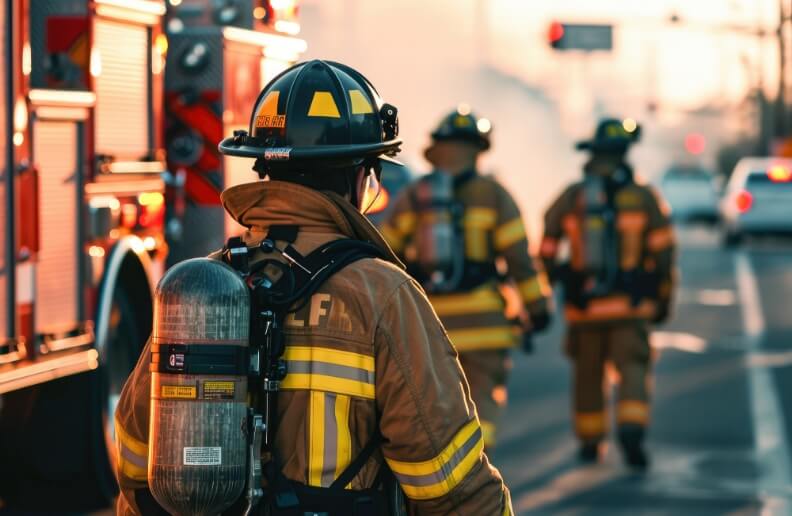
Firefighters in turnout gear and SCBA walking beside a fire engine

Answering Common Fire Station Laundry Equipment Questions

From gear cleaning to everyday station laundry, get answers to help you choose, purchase, finance and service the right laundry equipment for your firehouse.

Still Have Questions?

Your local Alliance Laundry Systems Distribution rep can recommend the right equipment for your station, quote equipment and financing, handle installation, schedule service and answer any other questions you have.

Sizing depends on how many sets of gear a department needs to clean and how often gear gets contaminated. Turnout gear can’t be loaded like everyday laundry. Each washer-extractor comes with specific loading instructions that limit how much gear can go in at one time, so the number of sets per load depends on the size of the machine. For example, UniMac’s PPE drying cabinet can dry six sets of gear at one time. Liners and outer shells also need to be washed in separate loads, since NFPA guidelines call for washing them separately. A local rep can help match capacity to a department’s actual call volume and staffing size.

A turnout gear washer-extractor, sometimes called a bunker gear washer-extractor, is a front-loading machine built without an agitator, so it cleans gear without damaging the fabric layers or reflective trim. It also runs cycles with controlled water temperature and extraction speed to align with NFPA 1850 guidelines for cleaning gear without compromising its protective performance. Because NFPA 1850 limits how fast turnout gear can be spun, the machine needs programmable, controlled g-force settings, which sets it apart from other commercial washer-extractors. Using a purpose-built turnout gear washer-extractor, like a UniMac® model designed for this job, helps departments follow NFPA 1850 guidelines and the gear manufacturer’s care instructions.

Yes. NFPA 1850 calls a thorough machine wash of turnout gear “advanced cleaning,” and departments can perform it in-house with their own trained personnel or send gear to a verified independent service provider (ISP). Many departments already handle this themselves. Gear contaminated with hazardous materials or body fluids may call for specialized cleaning. Having the right washer-extractor on site cuts down on turnaround time, so gear gets back in service faster after a call.

Source: NFPA 1850, Standard on Selection, Care, and Maintenance of Protective Ensembles for Structural and Proximity Firefighting and SCBA.

NFPA 1850 calls for turnout gear to receive advanced cleaning at least every six months and after exposure to smoke and combustion byproducts. Gear also needs an advanced inspection at least once a year. Because the required interval has changed over the years, departments should make sure their schedule follows the current edition of the standard rather than relying on an older cycle. Whether NFPA 1850 is mandatory depends on the state: Texas, for example, requires career fire departments to follow it, while many states treat it as a voluntary standard.

Source: NFPA 1850, Standard on Selection, Care, and Maintenance of Protective Ensembles for Structural and Proximity Firefighting and SCBA.

Contaminated turnout gear can carry combustion byproducts and other chemicals linked to increased cancer risk among firefighters, and in 2023 the International Agency for Research on Cancer published its evaluation classifying occupational exposure as a firefighter as carcinogenic to humans (Group 1). Cleaning turnout gear regularly, along with following NFPA 1850 guidelines, is one of the most direct ways departments can reduce that ongoing exposure.

No, standard residential or laundromat washing machines aren’t built to clean turnout gear safely or effectively. Regular machines can damage the gear’s protective fabric layers and reflective trim, and they can’t hold water temperature and extraction speed within the limits that NFPA 1850 sets. Turnout gear also needs specialized detergents formulated for it, not regular household detergents. A purpose-built turnout gear washer-extractor is a reliable way to machine-clean gear without compromising its protective performance.

The first step is talking with a local Alliance Laundry Systems Distribution team about your department’s call volume, current gear cleaning process and station layout. From there, a rep can help size the right turnout gear washer and dryer setup for your station and walk through installation requirements and expectations, financing options and service and support.

Most firehouses still run daily loads of station uniforms, towels, bedding and other everyday linens, and those typically go through standard commercial washers and dryers rather than specialized cleaning equipment. Sizing that everyday setup usually comes down to crew size, shift schedule and how much gets washed on-site versus sent out. A local Alliance Laundry Systems Distribution rep can help plan a full station laundry room that covers both compliance-driven cleaning and day-to-day operational laundry.

Many departments combine municipal budgets, capital improvement funds and grant programs such as the Assistance to Firefighters Grant (AFG) to help cover new equipment. Financing is also a common way to spread out the cost instead of a large upfront purchase. A local distributor can walk through financing options and provide an equipment quote to include with a grant application. Alliance Laundry Systems Distribution also partners with Lexipol, whose PPE Washer-Extractor/Dryer Grant Assistance Program offers grant assistance for fire departments purchasing UniMac® turnout gear washer-extractors and dryers.

Most fire station laundry equipment should be on a regular preventive maintenance schedule, since firehouse machines often run frequent, heavy loads and any downtime can disrupt a department’s cleaning routine. All Alliance Laundry Systems equipment comes with a routine maintenance schedule that should be followed to keep machines running at their best. Routine service helps catch worn parts before they cause a bigger repair and can help protect manufacturer warranty coverage. A local rep can help set up a service schedule that fits a station’s usage.

OPTispray rinsing technology is an available option on UniMac® washer-extractors and is highly recommended for fire stations. It’s engineered to pull rinse water through the load and down the drain, rather than letting it recirculate, which can help flush combustion byproducts and other contaminants out of gear more thoroughly. Ask your local distributor about adding OPTispray to the UniMac equipment you’re considering for your station.

OPTidry technology, an available option on UniMac® dryers, is designed to stop a drying cycle at a preset dryness level instead of simply running for a fixed amount of time. This can help prevent over-drying that contributes to the breakdown of protective fibers and can ultimately shorten gear life. Your local distributor can help you find out whether OPTidry is available on the UniMac dryers that match your firehouse needs.

Yes. UniMac® equipment with CORE technology connects to the internet, so a department can check machine status, track usage and get alerts remotely without walking down to the laundry room. This can be especially useful for stations that run lean on staff. Your local distributor can help you find out whether CORE is available on the UniMac equipment your station is considering.